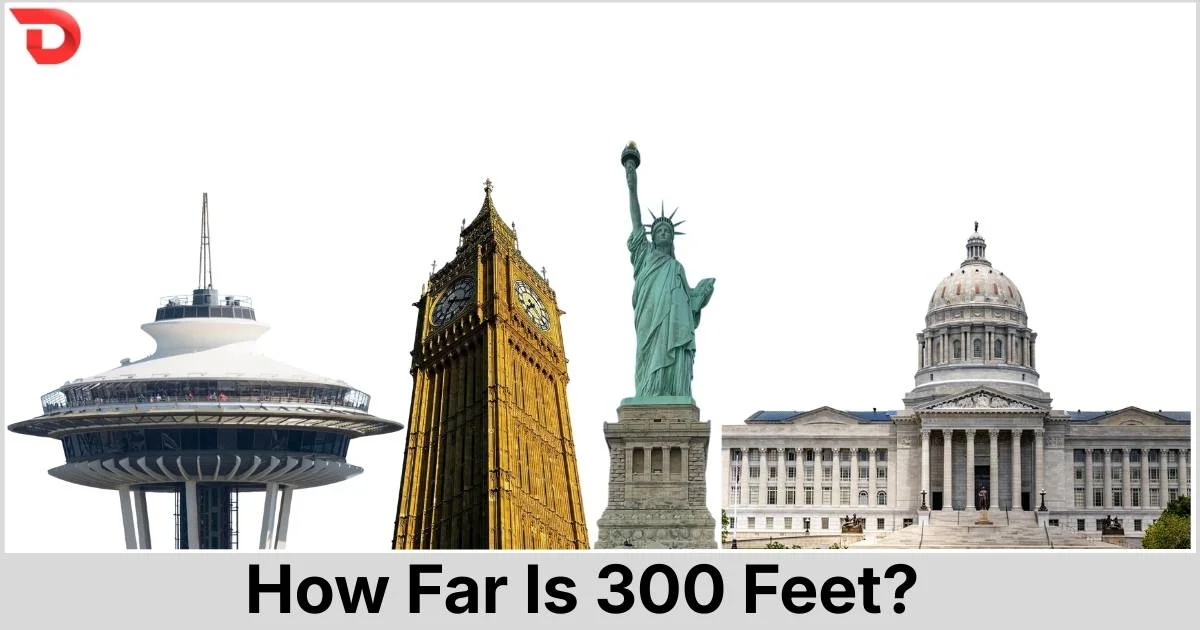
Understanding how far 300 feet is becomes much easier when you compare it to familiar things around you. Instead of seeing it as just a number, imagining real objects and places helps turn this distance into something you can clearly picture in your mind.
When you break it down, 300 feet is longer, taller, and wider than most people realize. From the height of famous structures to the size of everyday objects, using simple comparisons makes this distance feel more real and easier to visualize.
You might be surprised to see how often a distance like 300 feet appears in the world around you. By relating it to things you already know like buildings, natural wonders, and large open spaces, it becomes much clearer and much easier to understand.
How Far Is 300 Feet?
When you first hear the question How Far Is 300 Feet?, it might feel like an abstract measurement. But once you start imagining it through real examples, the distance becomes almost visual. It turns into something you can feel, compare, and understand in a more natural, personal way.
By connecting 300 feet to everyday scenes and remarkable landmarks, the number stops being just a figure and becomes a clear picture. This simple shift makes learning about distance more enjoyable, more relatable, and surprisingly satisfying as each comparison builds a stronger sense of scale.
300 feet = 3,600 inches = 9,144 centimeters = 91.44 meters = 100 yards = 0.091 kilometers = 0.0568 miles
How Long is 300 Feet to Walk?
When you think about how long it takes to walk 300 feet, the truth is—it’s much shorter than most people imagine. At a normal, relaxed walking pace, this distance usually takes less than a minute to cover. It feels like a short stroll, the kind you take when moving from one end of a parking area to another or walking across a small open space.
Even when walking slowly, the distance doesn’t feel tiring or long; it passes naturally, almost effortlessly. Understanding this helps the reader picture 300 feet not just as a measurement, but as a small, everyday movement that fits easily into real life.
10 Real-Life Examples That Will Surprise You
1. Statue of Liberty
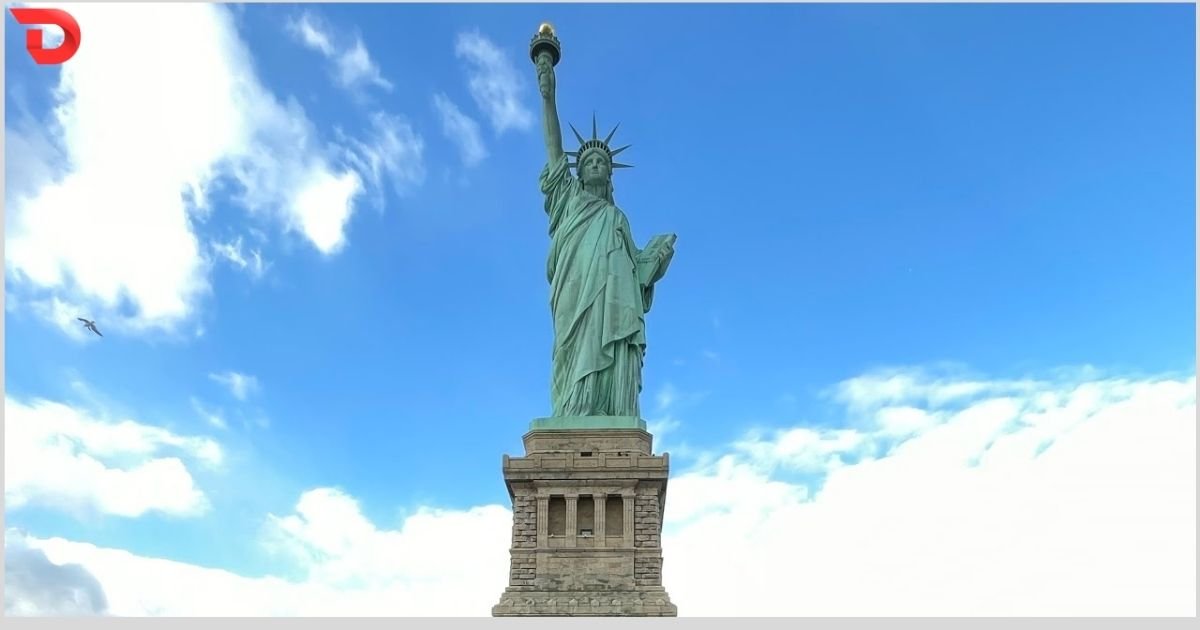
The Statue of Liberty stands tall and proud, and her body (without pedestal) reaches about 305 feet. Imagining this gives a real sense of how high 300 feet is. It’s taller than most buildings people see every day.
If you were to stand at her feet and look up, the top would feel far above you. Walking from one end of a football field to the other doesn’t even compare to the vertical distance of 300 feet.
The Statue of Liberty was a gift from France in 1886, symbolizing freedom and friendship. Standing tall for over a century, her 300-foot height has inspired millions, making it not just a measure of distance but a piece of history.
2. Three Blue Whales
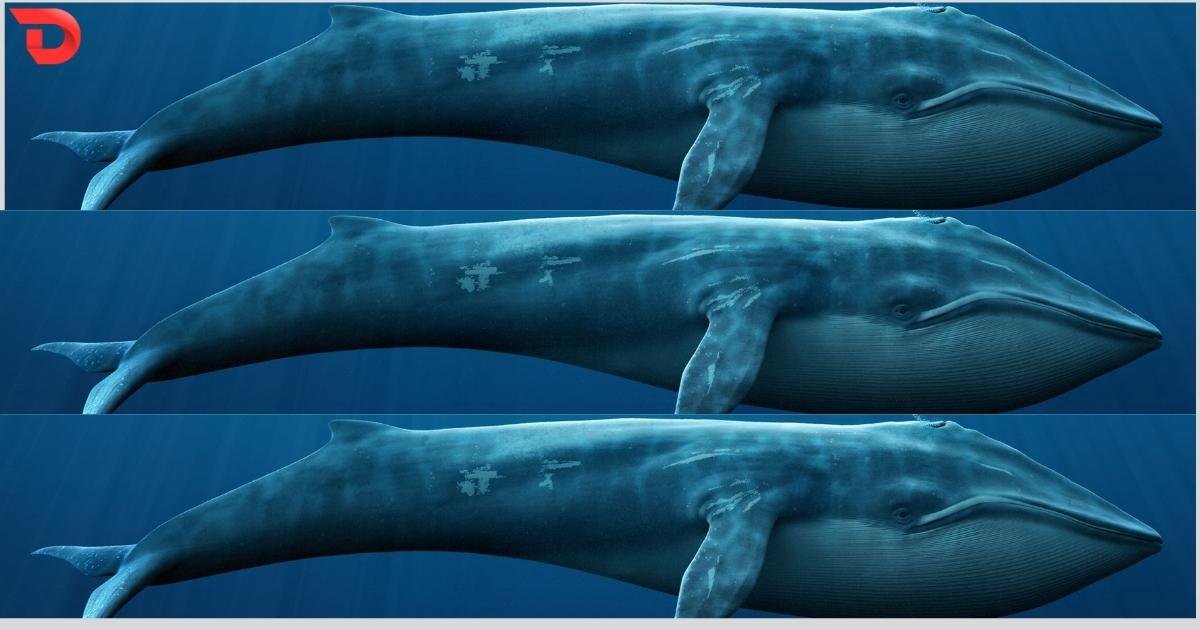
A single blue whale is about 100 feet long. Line up three of them, and you get a total of 300 feet. Imagining these massive creatures stretched out makes the distance feel enormous, yet tangible.
Blue whales are the largest animals on Earth, and their combined length can stretch across a big yard or field. Thinking in terms of whales helps the mind grasp the sheer size of 300 feet.
Blue whales have roamed the oceans for millions of years, surviving through history’s changes. Using them to imagine 300 feet connects the measurement to Earth’s natural history and the long legacy of the planet’s largest creatures.
3. Big Ben (Belfry Level)
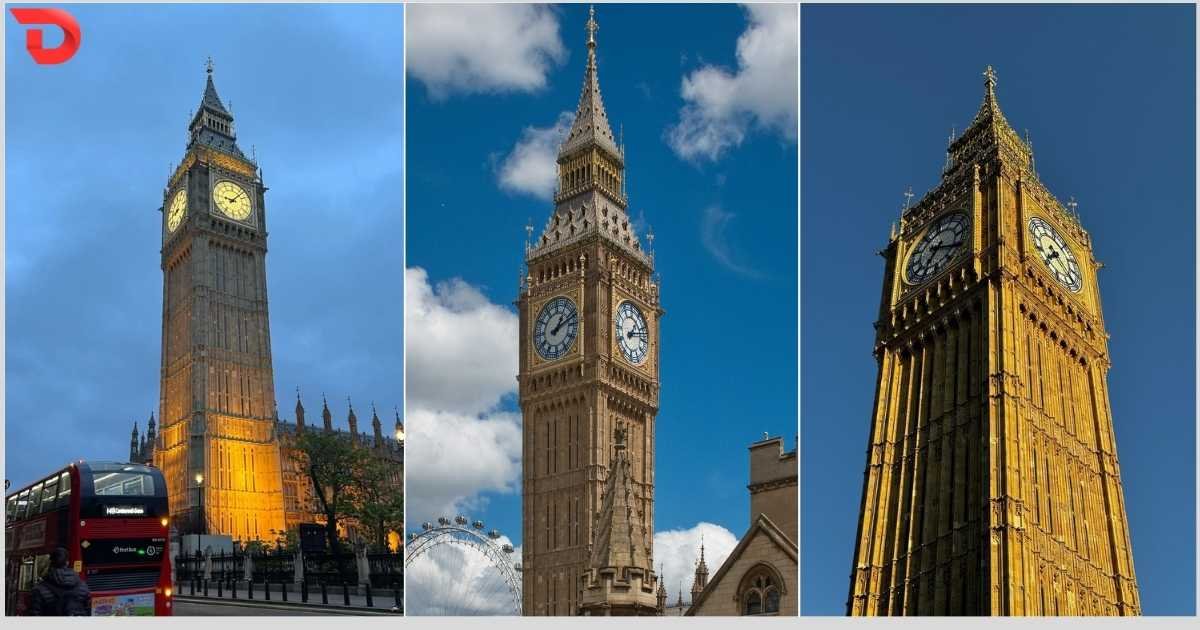
Big Ben’s clock tower is iconic. The bell level, or belfry, sits roughly at 300 feet. Standing below and looking up gives a feeling of vertical distance that matches the measurement perfectly.
Hi, this is a comment.
To get started with moderating, editing, and deleting comments, please visit the Comments screen in the dashboard.
Commenter avatars come from Gravatar.