

Many people get confused when hearing about measurements like 50 feet. This topic helps you clearly understand what 50 feet means in real life through simple words, examples, and easy conversions into centimeters, inches, and meters.
Have you ever wondered how long 50 feet really is? In the past, people used ropes or steps to measure distances, which often caused confusion. Even today, many still guess without knowing the real size. Let’s uncover the truth behind this common question.
In this article, you’ll learn what 50 feet long means in simple terms, how to convert it into cm, inches, and meters, and how to imagine it with real-life examples for better understanding.
How Long Is 50 Feet?
When we talk about 50 feet, it can be hard to picture the real size. Some may think it’s not that long, while others imagine a big space. In simple words, 50 feet in cm is about 1524 centimeters, 50 feet in inches is around 600 inches, and 50 feet in meters equals 15.24 meters.
To understand better, think of it like the length of a large bus or half a small street. It’s a distance you can clearly notice when walking. So now, whenever someone asks how long 50 feet is, you can easily explain and visualize it.
Feet to Inches
| Feet | Inches |
| 3 Feet | 120 Inches |
| 20 Feet | 240 Inches |
| 30 Feet | 360 Inches |
| 40 Feet | 480 Inches |
| 50 Feet | 600 Inches |
To Meters
| Feet | Meters |
| 10 Feet | 3.048 Meters |
| 20 Feet | 6.096 Meters |
| 30 Feet | 9.144 Meters |
| 40 Feet | 12.192 Meters |
| 50 Feet | 15.24 Meters |
Feet to Centimeters
| Feet | Centimeters |
| 10 Feet | 304.8 cm |
| 20 Feet | 609.6 cm |
| 30 Feet | 914.4 cm |
| 40 Feet | 1219.2 cm |
| 50 Feet | 1524 cm |
10 Real-Life Examples That Will Surprise You
10 real-life examples that show how 50 feet looks in everyday life. From buses to small streets, these comparisons will help you easily imagine the true length.
- bowling lane
- Standard double-decker bus
- Small airplane wingspan
- A 5 Story Building
- Five Amur Tiger
- Two and a Half Containers
- Semi-Trailer
- Fire engine ladder
- Futsal Court Width
- telephone poles
- Basketball Court Width
Bowling Lane
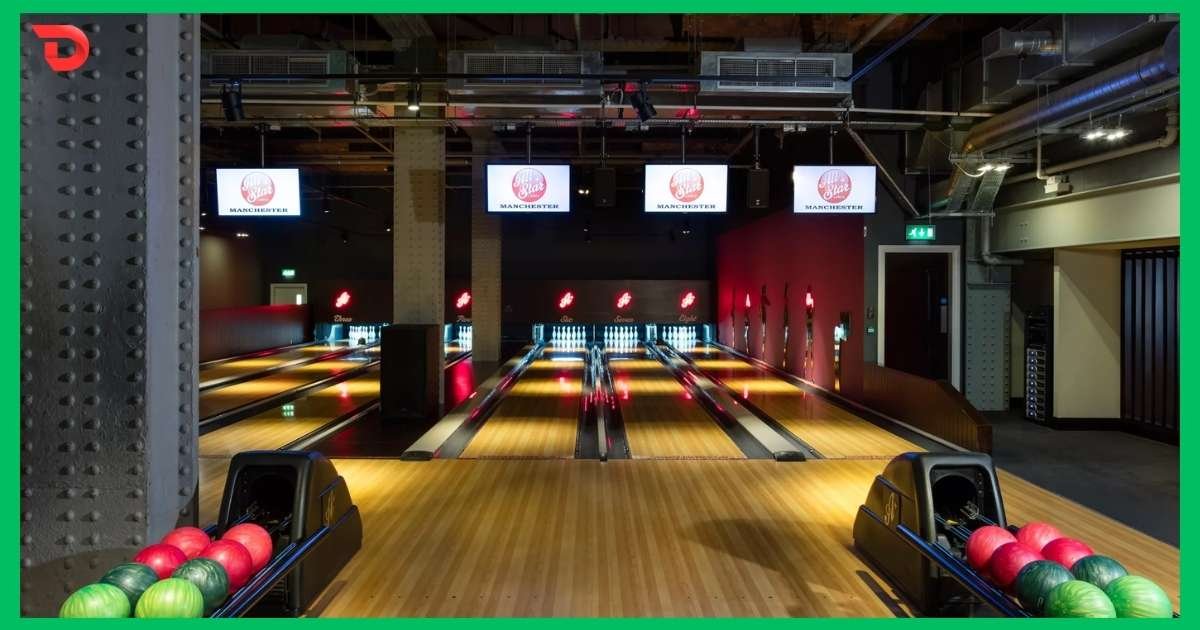
A typical bowling lane can be imagined as about 50 feet long, which is 600 inches, 1,524 centimeters, or 15.24 meters. It is the smooth, narrow surface in bowling alleys where players roll balls to hit pins. You can picture it as slightly shorter than a standard lane, almost the length of two large city buses parked end-to-end.
Visualize walking the full 50 feet of a lane. It’s longer than a small room but shorter than a tennis court. Knowing this size helps when practicing at home, planning space in a club, or just understanding the distance when playing. At home, you can measure it with a long tape or by combining several rooms to total roughly 15 meters.
Older bowling lanes were made entirely of wood and required regular polishing to keep smooth. The quick takeaway is that 50 feet is a practical way to picture a bowling lane, giving you a tangible sense of its length in everyday life.
Standard double-decker bus
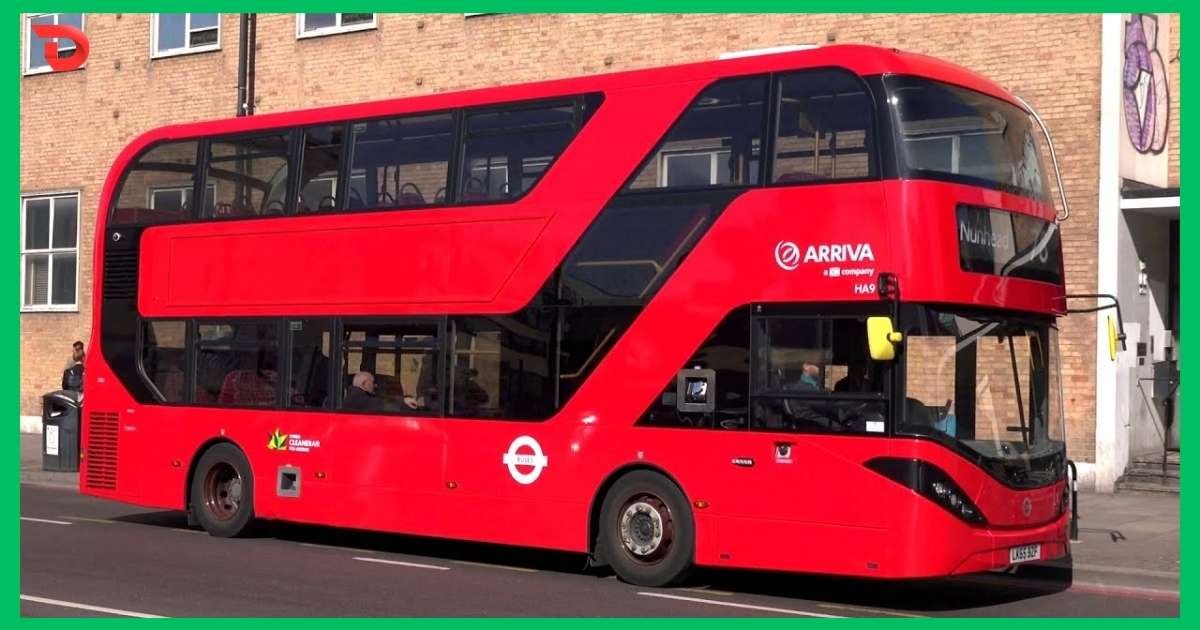
A standard double-decker bus is about 50 feet long, which equals 600 inches, 1,524 centimeters, or 15.24 meters. It has two levels for passengers, allowing more people to travel while taking up less space on the road. You can picture its length as similar to a small building or three cars parked one after another.
Visualize a bus that stretches 50 feet from front to back. Understanding this length is useful for city planners, bus stop design, or even imagining how it fits in traffic. At home, you could measure 50 feet using a long tape or by marking out several rooms to approximate the bus’s full length.
Double-decker buses have been used in cities like London for over a hundred years and are designed for both efficiency and safety. The quick takeaway is that 50 feet gives a clear sense of a bus’s size, making it easier to understand its scale in real life.