
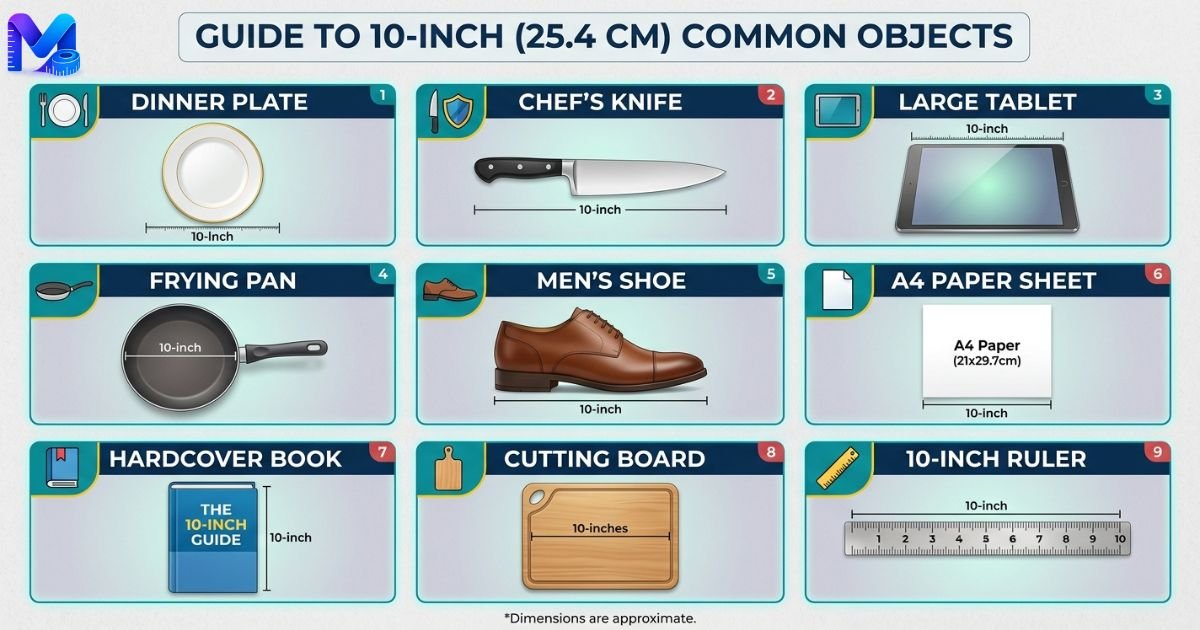
10 inches long means something measures ten inches from one end to the other. It is a length equal to 25.4 centimeters. This measurement helps you judge size when a ruler is not nearby and helps you picture everyday objects with ease. This can help when you need a size check too.
Have you ever heard 10 inches and wondered how big that really is? Numbers can feel hard to picture. A few common things around you can make this length. You may be closer to 10 inches than you think so the next examples may surprise you. An example makes this measurement easier.
In this guide you will see 18 everyday things that are about 10 inches long. These examples will help you picture the size without guessing. From home items to useful tools you will find simple comparisons that make 10 inches easy to understand in real life. See how they compare.
How Big Is 10 Inches?
10 inches is about 25.4 centimeters. To picture this length more easily you can compare it with common objects around you. A standard ruler is usually 12 inches long. So 10 inches is a little shorter than a ruler.
| Measurement | Easy comparison |
|---|---|
| 10 inches | 25.4 centimeters |
| 10 inches | 2 inches shorter than a 12 inch ruler |
| 10 inches | About the length of a large tablet |
| 10 inches | Close to the width of some dinner plates |
Real-World Objects That Help You Visualize 10 Inches
If you’re wondering what 10 inches actually looks like, comparing it with familiar objects makes the measurement much easier to picture. Whether you know 8 inches or 4 inches better, everyday items can give you a clear sense of how long 10 inches really is without needing a measuring tape.
1. Dinner Plate
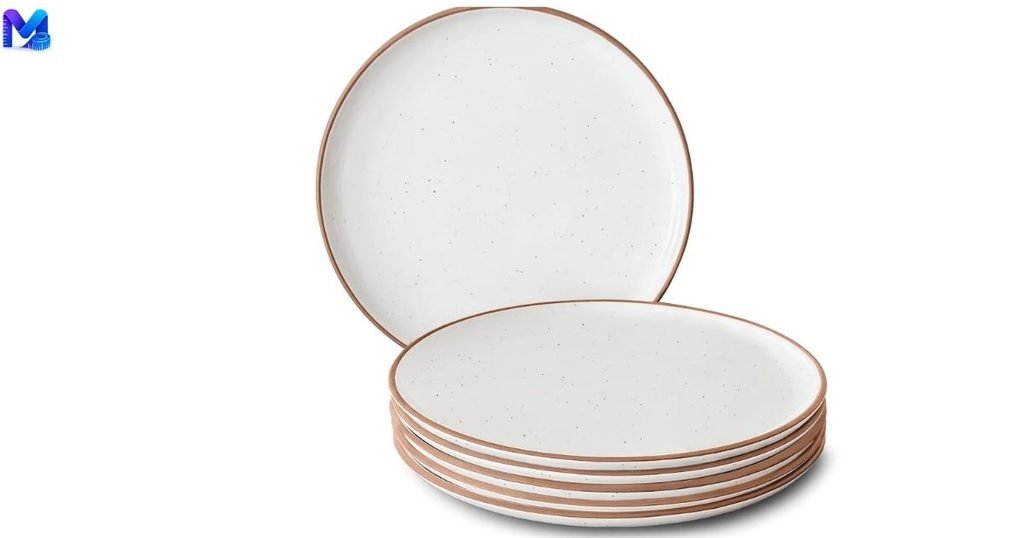
A typical dinner plate is about 10 to 11 inches in diameter, making it one of the easiest everyday comparisons for understanding 10 inches. Picture a straight line running across the plate from one edge to the other, and you have a close idea of this measurement.
Dinner plates are designed to give you enough room for a main meal, side dishes, and some space around the food. Their round shape also makes them easy to stack, carry, and arrange on a dining table.
Plates have a long history, evolving from simple serving vessels into the familiar flat plates used today. Interestingly, modern dinner plates are often larger than plates commonly used several decades ago, partly because serving portions and dining habits have changed.
2. Chef’s Knife
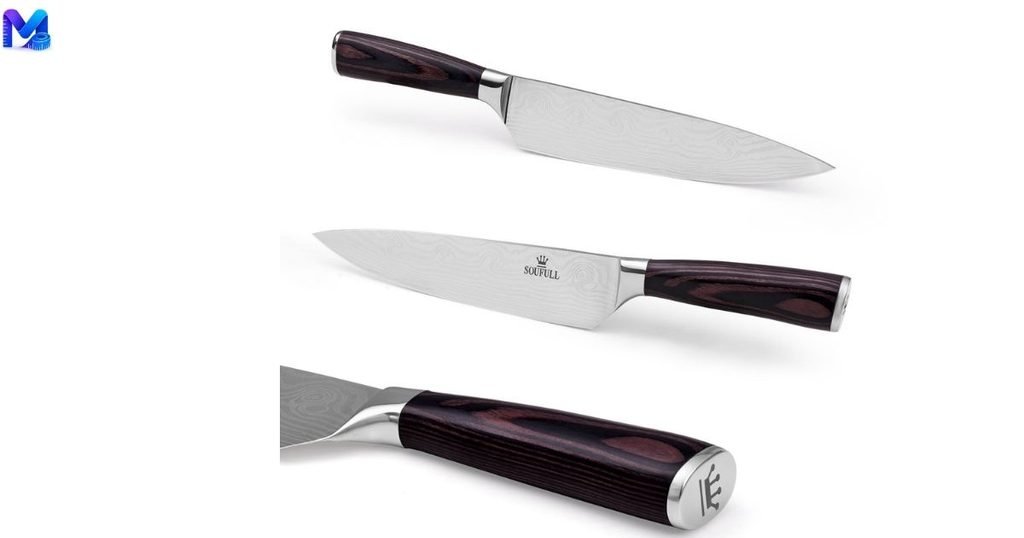
A chef’s knife with a 10-inch blade provides an almost exact visual reference for 10 inches long. Many chef’s knives have blades between 8 and 10 inches, so a larger model can closely match the measurement.
The long blade gives cooks enough cutting surface to slice vegetables, meat, herbs, and other ingredients efficiently. Its broad shape also allows the side of the knife to be used for tasks such as crushing garlic.
Chef’s knives developed from traditional kitchen blades used across different cultures. The modern Western chef’s knife became especially popular as professional cooking developed, with its distinctive broad blade designed for a rocking cutting motion.
3. Large Tablet
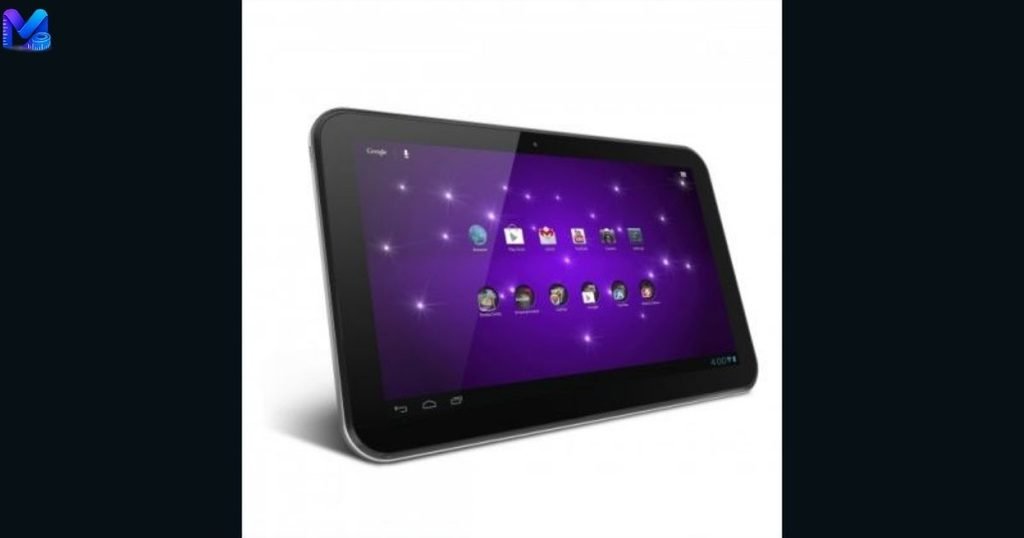
A large tablet with a 10-inch screen can help you picture the measurement, although screen size is normally measured diagonally from one corner to the opposite corner. The actual width of the tablet will therefore be less than 10 inches.
Tablets are useful for browsing the web, watching videos, reading books, taking notes, and handling many tasks without a full-sized computer. Their larger screens provide more viewing space while remaining portable.
The tablet computer has roots going back further than many people realize. Ideas for portable touchscreen computing appeared decades before modern tablets became popular, but advances in mobile processors and touchscreens eventually made today’s thin tablets practical.
4. Frying Pan
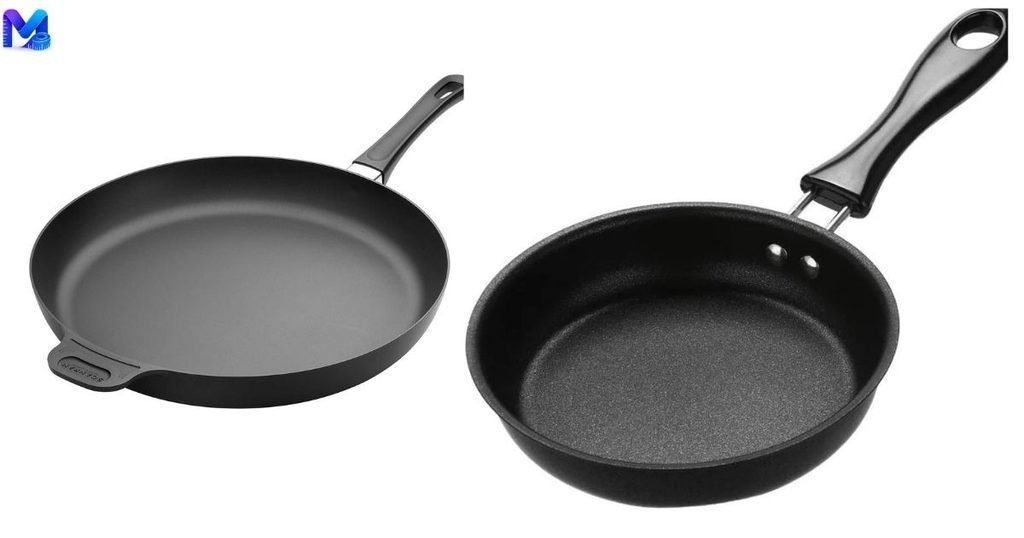
A 10-inch frying pan gives you a particularly clear way to visualize 10 inches because the measurement runs across its circular cooking surface. Imagine a straight line passing through the center from one side of the pan to the other.
Frying pans are everyday kitchen essentials used for cooking eggs, vegetables, meat, pancakes, and countless other foods. A 10-inch pan is popular because it provides a useful balance between cooking space and easy handling.
Frying pans have been used for centuries, although early versions looked very different from today’s nonstick cookware. Cast-iron pans became especially important because they were durable, retained heat well, and could last for generations with proper care.
5. Men’s Shoe
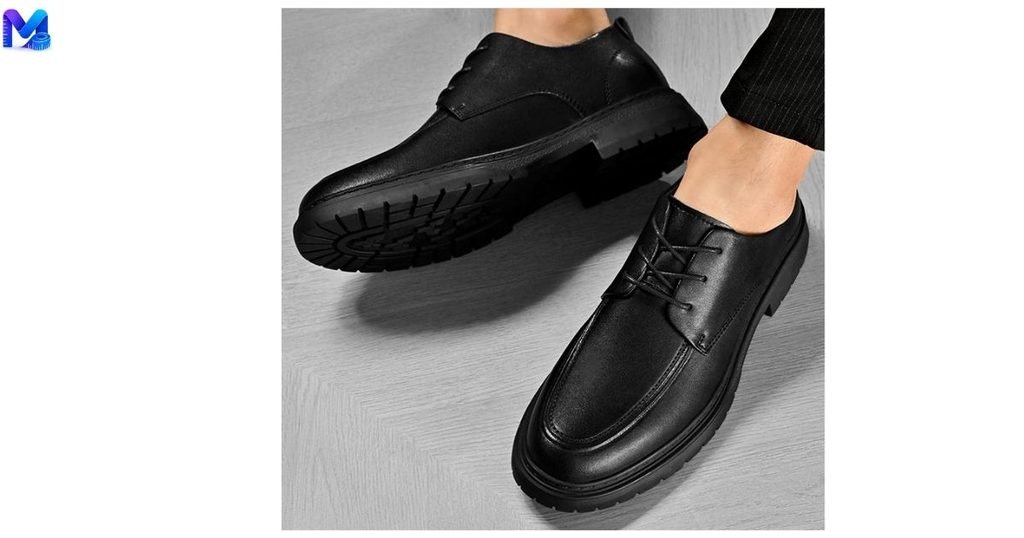
A larger men’s shoe can have an outside length approaching 10 inches, although the exact size varies by shoe style and foot size. This makes a shoe a useful approximate comparison rather than an exact 10-inch measurement.
Shoes protect the feet from rough surfaces, weather, and everyday impacts while also providing support during walking and running. Modern footwear can also be designed specifically for work, sports, hiking, or formal occasions.
Footwear has an extremely long history. Archaeologists have found evidence of ancient footwear thousands of years old, showing that people have been protecting their feet long before modern sneakers and leather dress shoes existed.
6. A4 Paper Sheet
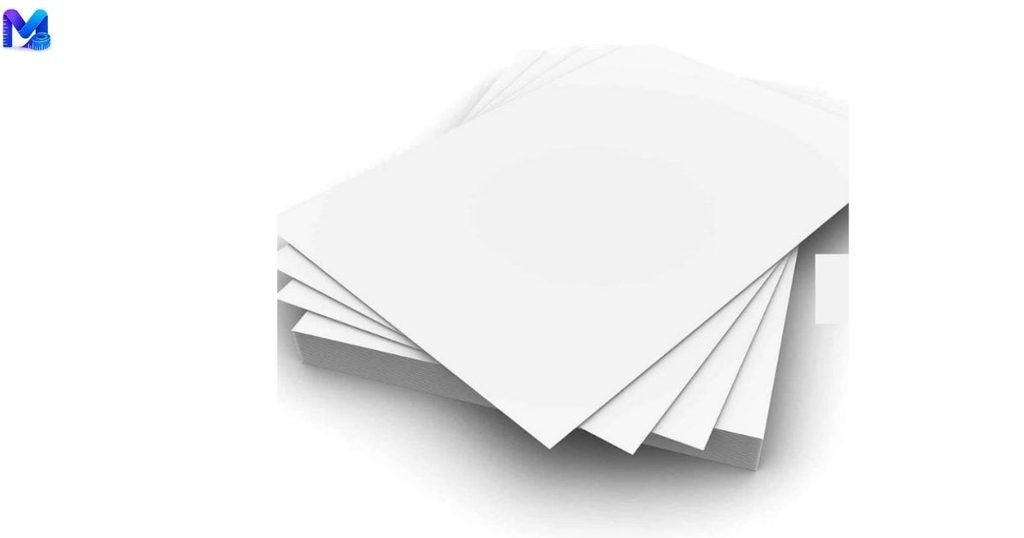
An A4 sheet measures 8.27 inches wide by 11.69 inches long, so neither side is exactly 10 inches. Its dimensions are useful for understanding the measurement because 10 inches falls between its shorter and longer edges.
A4 paper is widely used for printing documents, schoolwork, office paperwork, letters, and forms. Its standardized size makes it easy for printers, folders, envelopes, and filing systems to work together.
The A4 format belongs to the international ISO paper-size system. One interesting feature is that the proportions of A-series paper remain consistent when sheets are folded in half, which is why A4 becomes A5 when folded.
7. Hardcover Book
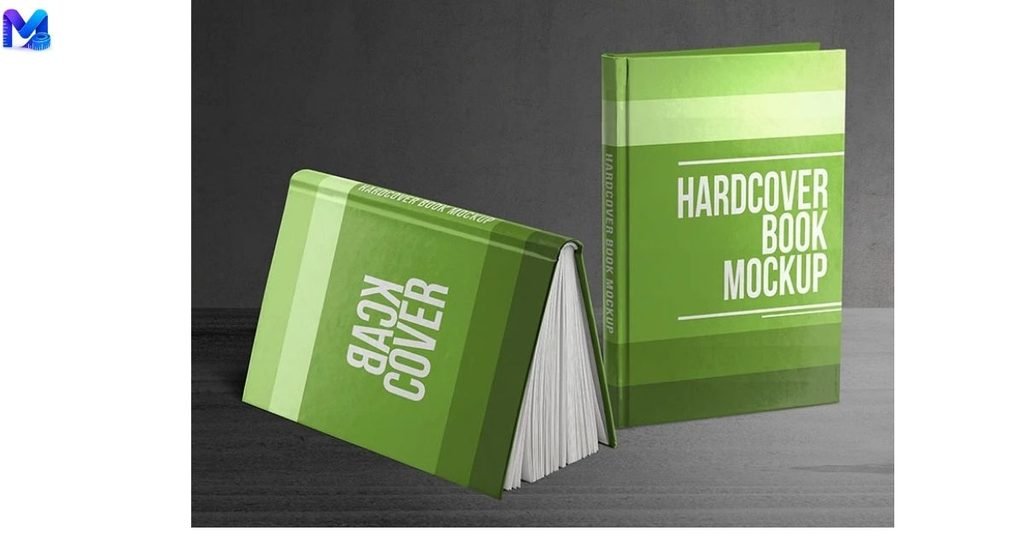
A large hardcover book can be roughly 9 to 11 inches tall, putting many editions close to the 10-inch mark. This makes a larger book a familiar way to imagine a distance of about 10 inches.
Hardcover books are made with sturdier covers than paperbacks, making them better suited to long-term use and display. They are commonly used for novels, textbooks, reference books, photography, and gift editions.
Hardbound books existed long before modern publishing. Early books were often individually produced and could be extremely valuable, while mass printing eventually made books much easier and cheaper for ordinary people to own.
8. 10-Inch Ruler
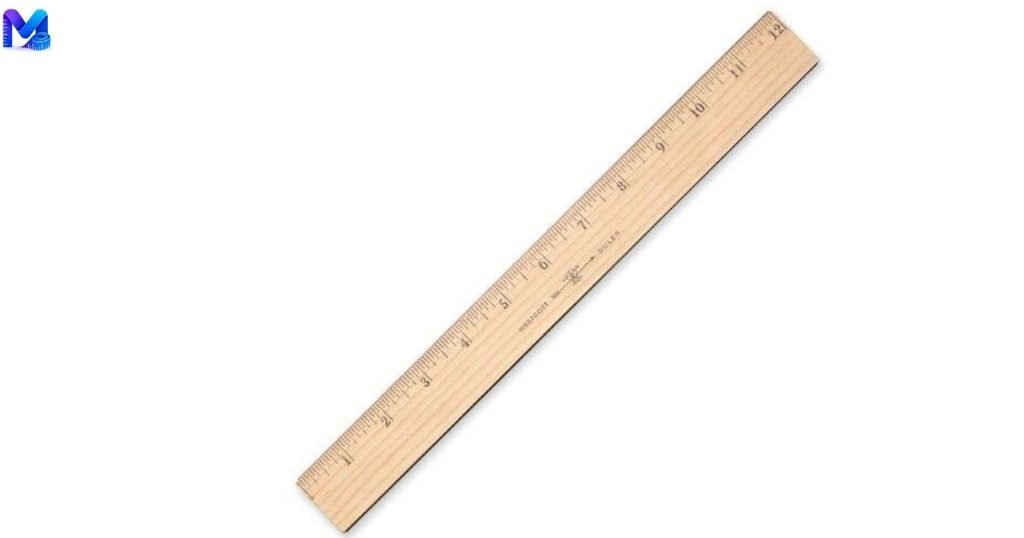
A 10-inch ruler is the simplest exact comparison because its marked length is precisely 10 inches. Ten inches is also equal to 25.4 centimeters, giving you a direct bridge between imperial and metric measurements.
Rulers are used for measuring, drawing straight lines, checking dimensions, and completing school, craft, woodworking, and office projects. The markings make small differences in length easy to see.
Standard rulers have existed in different forms for centuries. Ancient measuring systems often used body-based references such as the hand, foot, or cubit, while modern rulers use standardized units so measurements can be reproduced accurately.
9. Water Bottle
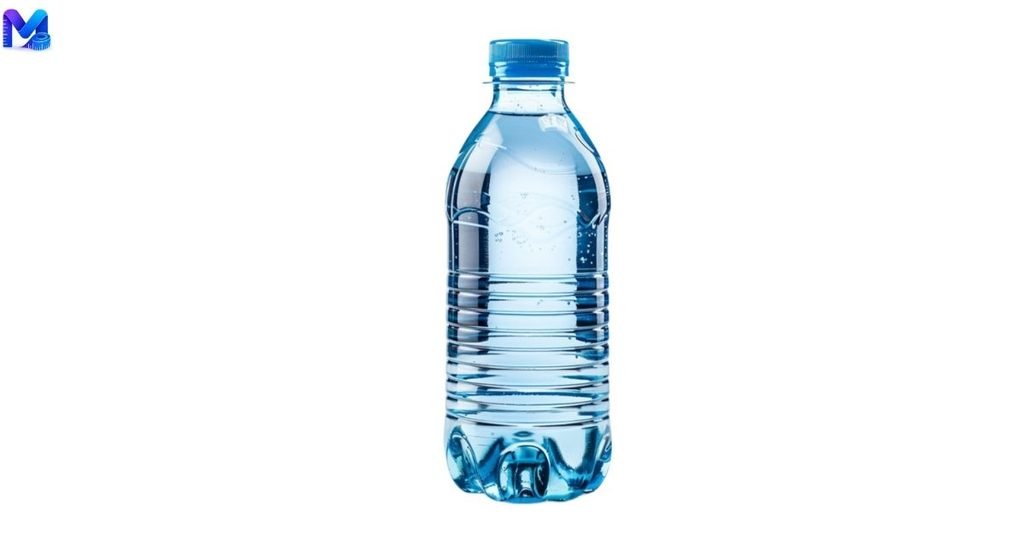
Some compact reusable water bottles stand around 9 to 10 inches tall, making one of these bottles a useful vertical comparison for 10 inches. The exact height depends on the bottle’s capacity and shape.
Water bottles make it convenient to carry drinking water to school, work, the gym, or while traveling. Reusable bottles are especially useful because they can be refilled instead of being thrown away after a single use.
People have carried water in containers for thousands of years. Ancient civilizations used materials such as clay, leather, and gourds, long before modern plastic, stainless steel, and insulated bottles became common.
10. Serving Tray
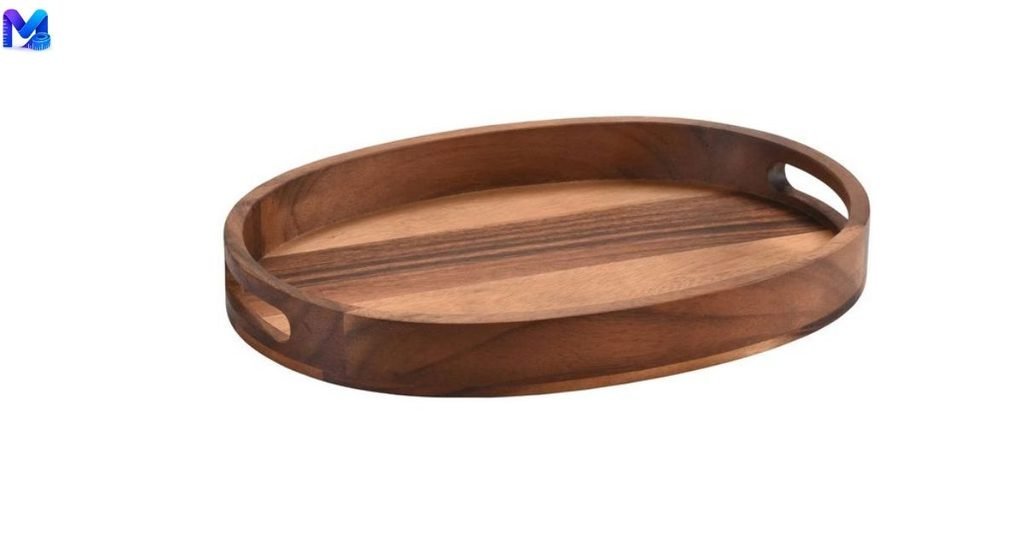
A small serving tray may measure around 10 inches along its longer side, although trays come in many sizes. Its flat rectangular or oval shape makes it easy to imagine a 10-inch line running from one end to the other.
Serving trays are designed to make carrying food and drinks easier. They are useful when moving several cups, plates, snacks, or breakfast items at once instead of carrying each item separately.
Trays have been used across many cultures for centuries. Decorative serving trays were not only practical household objects but could also be made from valuable materials and used to display craftsmanship.
11. Small Laptop
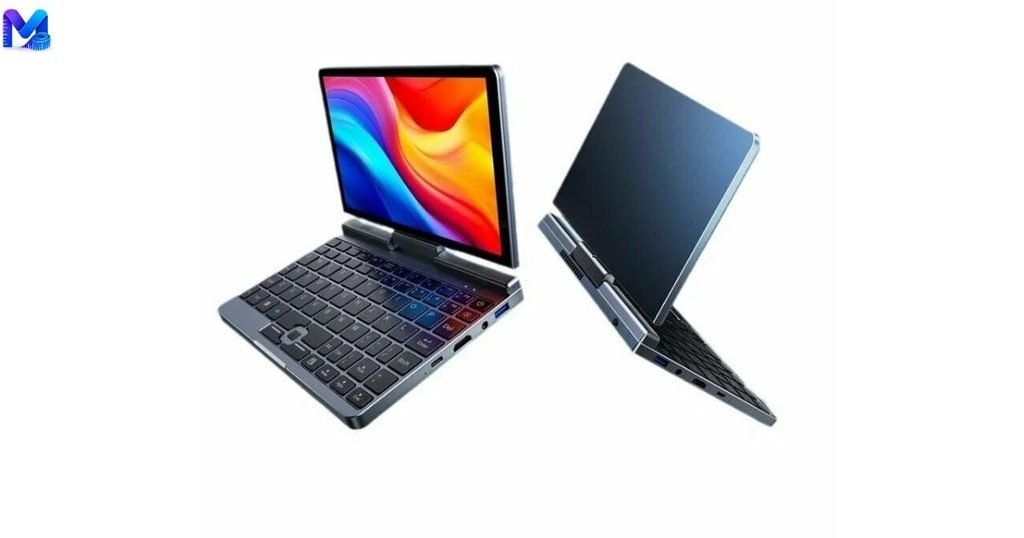
Some compact laptops have historically featured displays around 10 inches diagonally, making them a useful example of how 10 inches can describe a diagonal rather than a straight horizontal length.
Laptops combine a screen, keyboard, processor, storage, and other computer components into one portable device. Smaller models are especially convenient for travel, studying, browsing, and basic work.
Portable computers existed before today’s slim laptops, but early machines were often bulky and expensive. Improvements in battery technology, processors, and display manufacturing gradually made smaller portable computers practical for everyday users.
12. Wall Clock
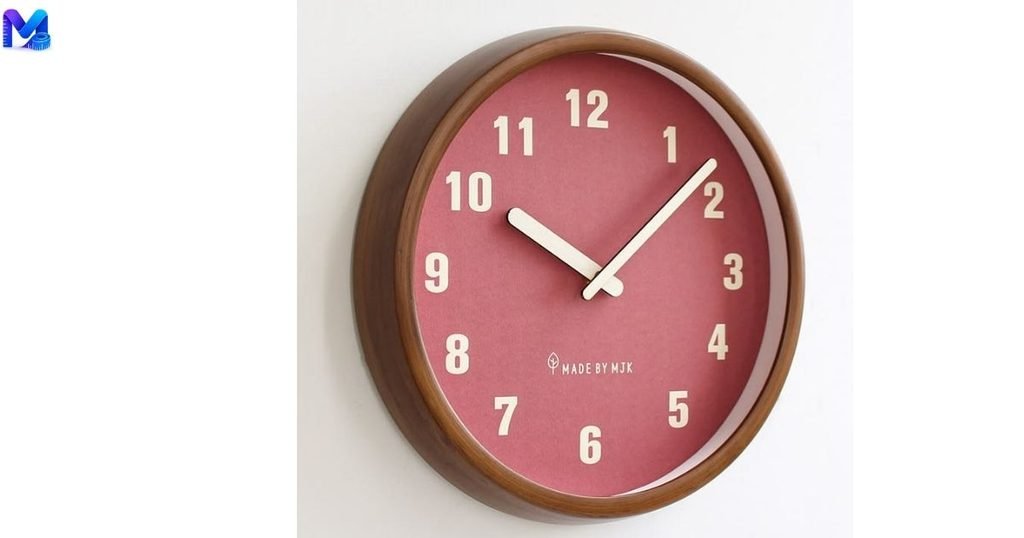
A small wall clock can have a face measuring close to 10 inches in diameter, giving you a familiar circular reference for visualizing 10 inches. Imagine measuring straight across the clock through its center.
Wall clocks help people quickly check the time without picking up a phone or looking at a watch. Their large face also makes the numbers easy to read from across a room.
Mechanical clocks have a fascinating history stretching back hundreds of years. Early mechanical clocks were large public devices, often installed in towers, before clockmaking technology became small enough for household clocks.
13. Bath Towel
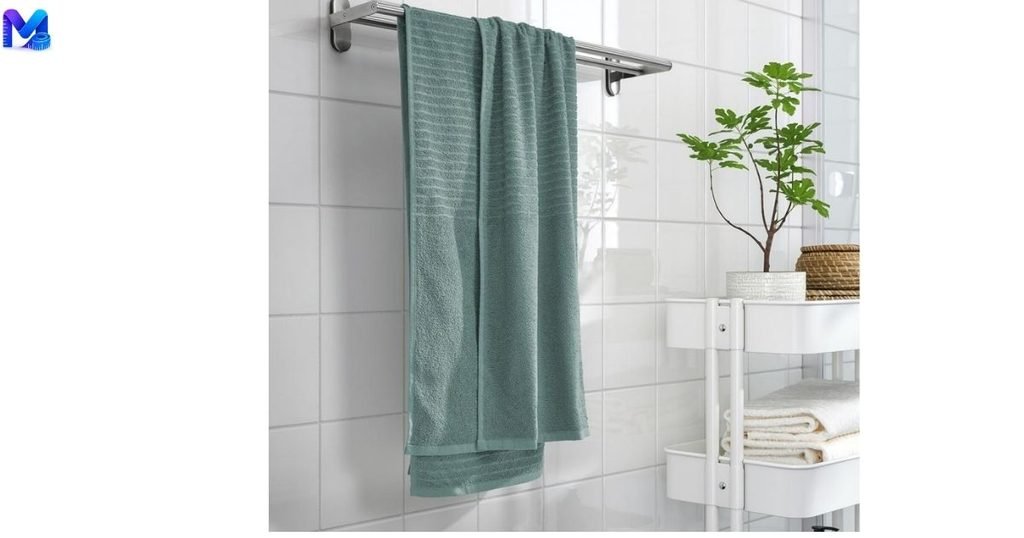
A bath towel is much larger than 10 inches, but imagining a 10-inch section across its surface can help put the measurement into perspective. Ten inches would represent only part of the towel rather than its full length or width.
Bath towels are designed to absorb water after bathing or showering, which is why they are made from highly absorbent fabrics such as cotton. Their larger size allows you to dry your body comfortably without needing several small towels.
Towels have been used for centuries, but modern terry cloth became especially popular because its loops create more surface area for absorbing moisture. This familiar fabric is now common in bathrooms around the world.
14. Picture Frame
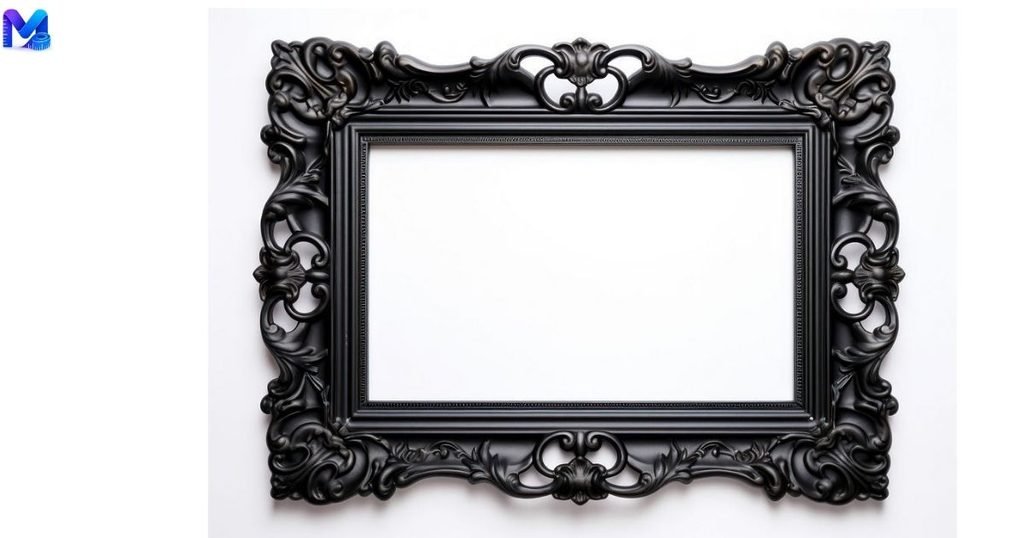
A small picture frame can have one side measuring around 10 inches, depending on the photo size and frame design. Its straight edge gives you an easy visual line for imagining the length.
Picture frames protect and display photographs, artwork, certificates, and other items people want to preserve or show. The surrounding border also creates space between the image and its surroundings, helping the picture stand out.
Framing artwork and important images has a long history. Frames were once carefully handcrafted and could be highly decorative, with elaborate designs used to show the importance and status of the artwork inside.
15. Notebook
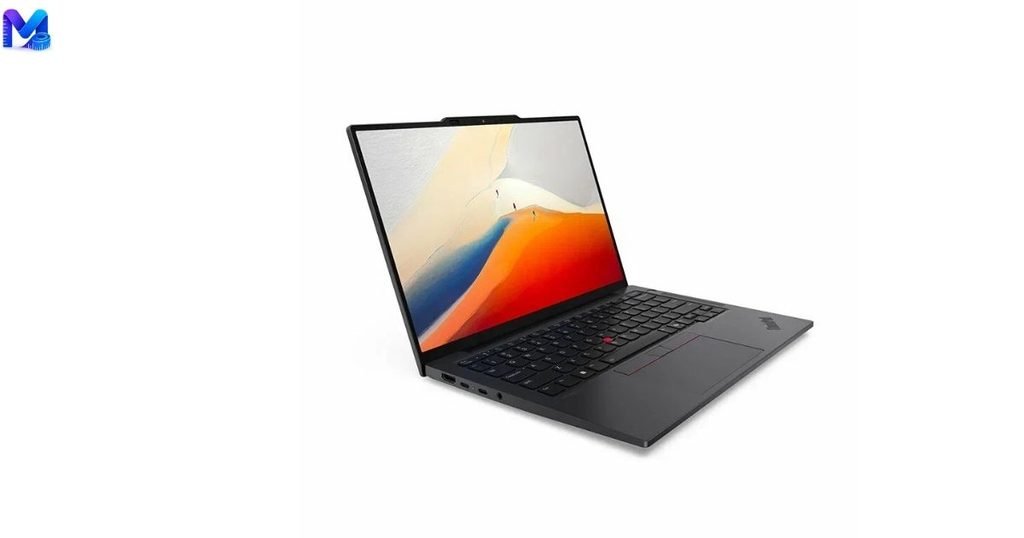
A larger notebook can be around 10 inches tall, although notebook dimensions vary considerably. When you picture the height of a large notebook cover, you can get a practical sense of how long 10 inches is.
Notebooks are used for writing notes, making lists, journaling, drawing, studying, and organizing ideas. Their portability makes them useful at school, work, home, and while traveling.
Paper notebooks became increasingly common as paper manufacturing and bookbinding improved. Long before modern notebooks, people recorded information on materials such as clay tablets, papyrus, parchment, and wax tablets.
16. Kitchen Tongs
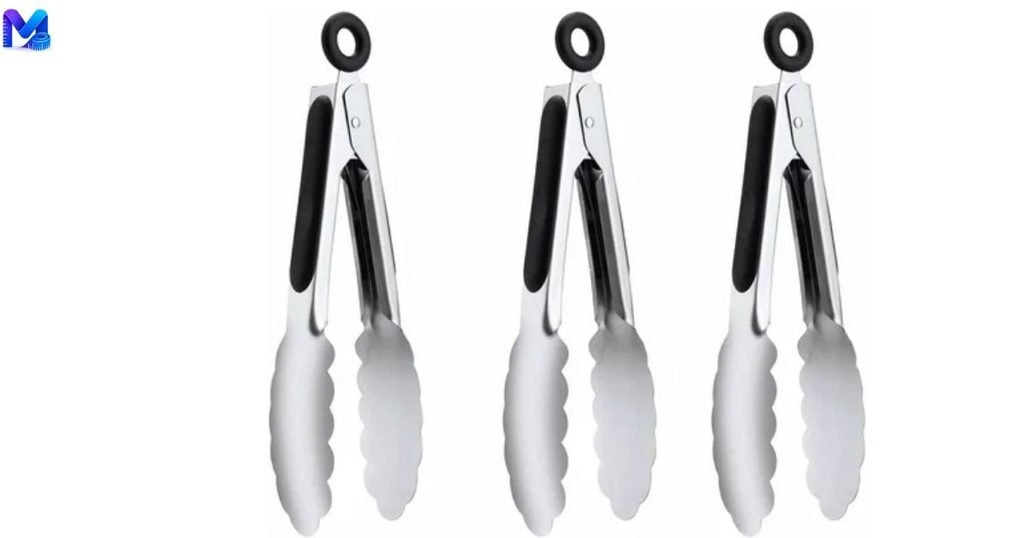
Many kitchen tongs measure roughly 9 to 12 inches long, so a pair close to 10 inches can provide a good real-life comparison. Their long handles make the overall distance particularly easy to visualize.
Tongs allow you to grip, turn, lift, and serve food without touching it directly. They are useful for everything from flipping meat in a frying pan to serving salad or picking up hot food from a grill.
The basic idea behind tongs is ancient. Simple gripping tools were used long before modern kitchen tongs, while today’s spring-loaded designs make opening and closing the gripping ends much easier during cooking.
17. TV Remote
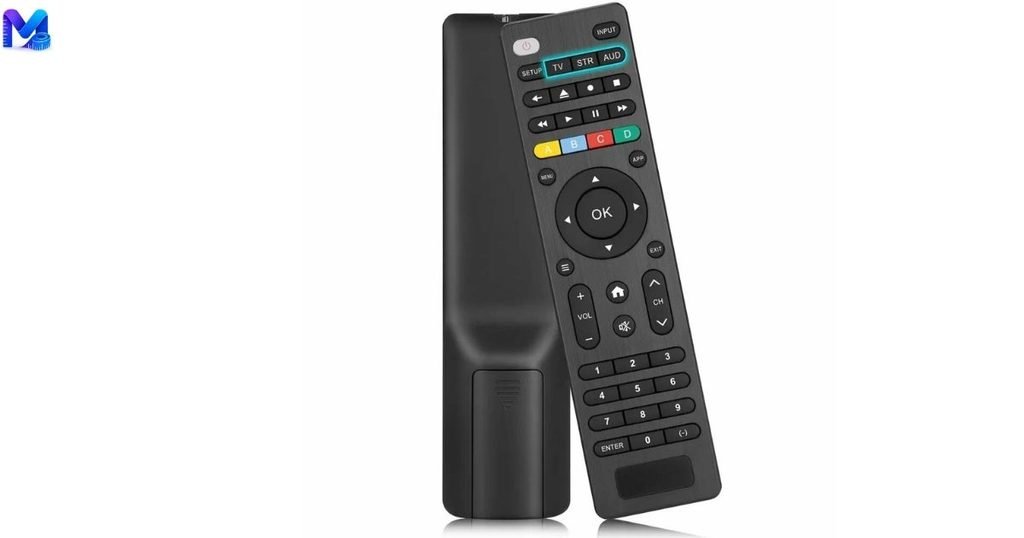
Most TV remotes are shorter than 10 inches, often making them a useful comparison for understanding the difference between a familiar 8-inch object and a 10-inch distance. Imagine extending a typical remote by a small amount beyond its end.
A remote control lets you change channels, adjust volume, select menus, and control other functions without walking to the television. Its compact shape is designed to fit comfortably in one hand.
The first television remote controls appeared decades ago, but early versions were much simpler than modern remotes. Over time, remote controls gained more buttons and functions as televisions became capable of handling more features.
18. Hairbrush
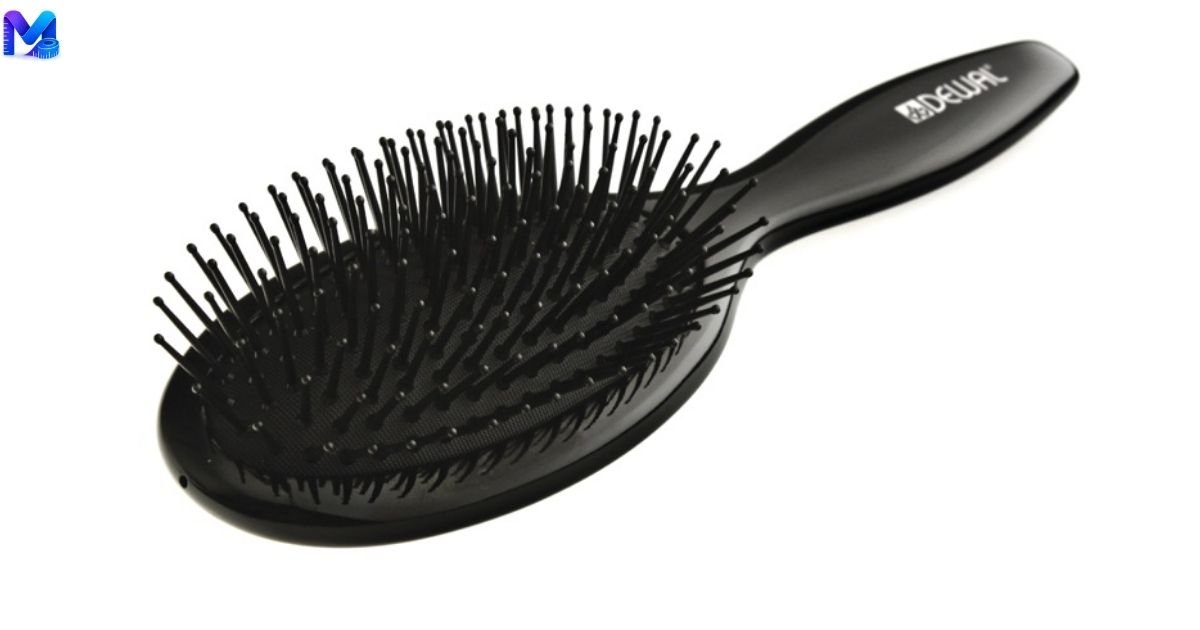
A full-size hairbrush can be roughly 8 to 10 inches long, depending on its handle and brush head. A larger brush close to 10 inches gives you a familiar household object for estimating the measurement.
Hairbrushes are designed to remove tangles, smooth hair, distribute natural oils, and style different hair types. Their handles and bristles are shaped differently depending on whether the goal is detangling, smoothing, or creating volume.
Hair grooming tools have existed for thousands of years. Early combs and brushes were made from materials such as bone, wood, and natural fibers, while modern brushes use materials including plastic, rubber, and synthetic bristles.
Conclusion
The easiest way to understand 10 inches long is to connect the number with objects you already know, such as a dinner plate, ruler, tablet, or kitchen tool. These familiar comparisons turn an abstract measurement into something you can picture, making it easier to understand how long is 10 inches without reaching for a measuring tool.
Once you start noticing everyday objects this way, measurements become much less confusing. The next time someone asks how big is 10 inches, you may not need a ruler at all; your surroundings already contain plenty of useful visual references.
I’ve shared the most useful everyday comparisons to help you understand measurements in real life, not just on paper.
Bookmark this website for future guides covering measurements, conversions, feet, inches, meters, and other everyday size references.
1 thought on “18 Everyday Things That Are 10 Inches Long”